Skip to content
Karnak Temple and the Nile at Luxor in golden light

Upper Egypt · Destination guide

Luxor

Ancient Thebes rebuilt in stone — Karnak, the Valley of the Kings and the Nile all within a few miles of each other.

Region
Upper Egypt, on the Nile
Best for
Temples & tombs · archaeology
Ideal stay
2–3 nights
When to go
October–April
Airport
Luxor (LXR)
Pairs with
Aswan · a Nile cruise · Cairo

Get your bearings

What Luxor actually is

Luxor stands on the site of Thebes, capital of Egypt at the height of its power, and it packs more ancient monuments into a few square miles than any other town on the Nile. The river splits it in two: the East Bank, where the living built Karnak and Luxor Temple, and the West Bank, where they buried their kings in the hills above the floodplain.

Karnak alone is the largest religious complex ever built — a forest of stone columns added to by pharaoh after pharaoh for two thousand years. Across the river, the Valley of the Kings hides the rock-cut tombs of Tutankhamun, Seti I and Ramses VI, their painted ceilings still bright after three thousand years.

Most travellers reach Luxor by a short flight from Cairo and use it as the northern end of a Nile cruise down to Aswan. Two nights covers the headline sites; three lets you cross the river slowly, drift up at dawn in a balloon, and give Karnak the morning it deserves.

What you're really here to see

The landmarks that make Luxor

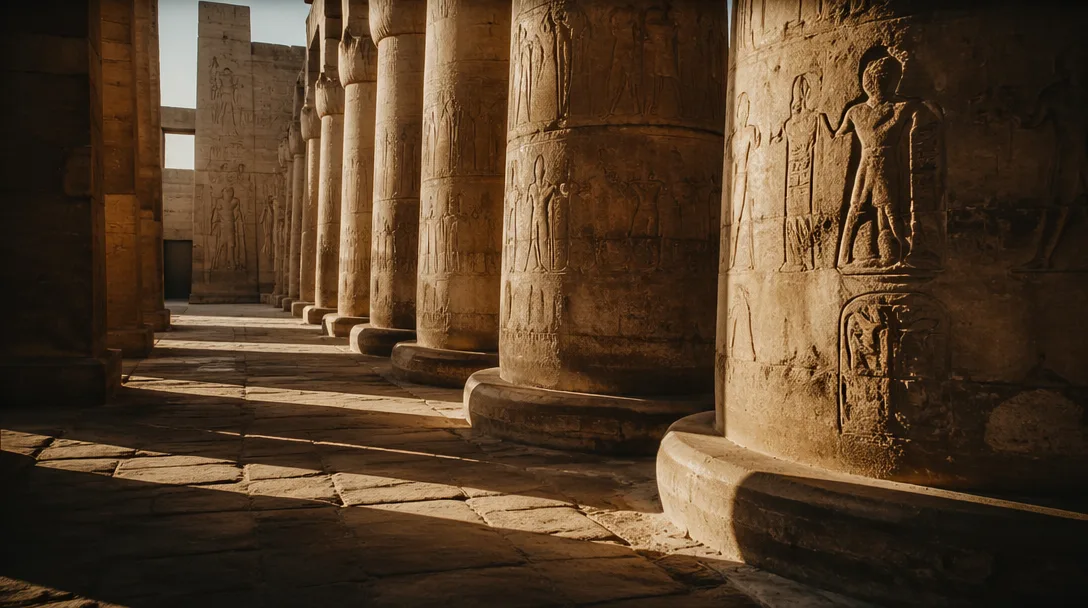
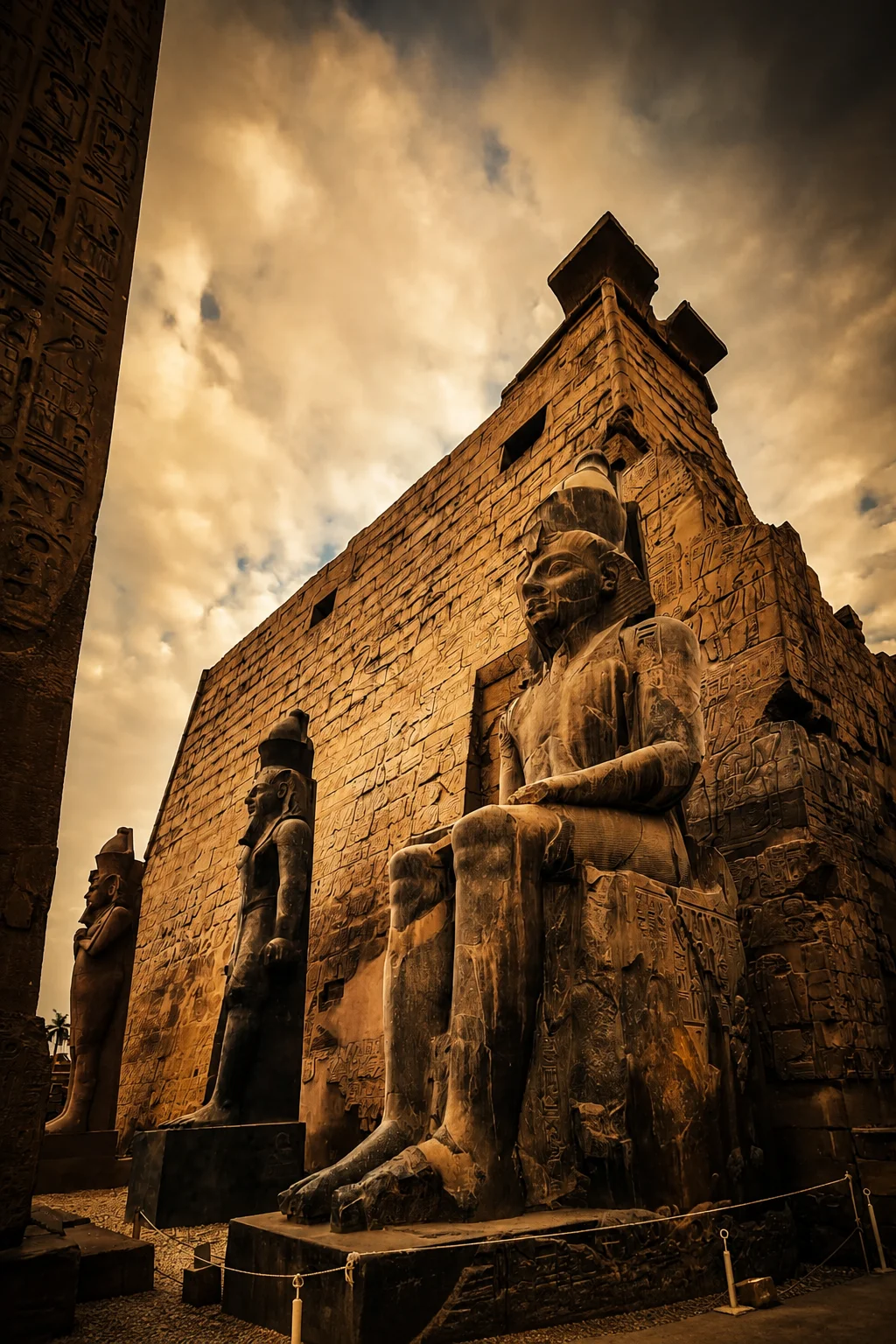
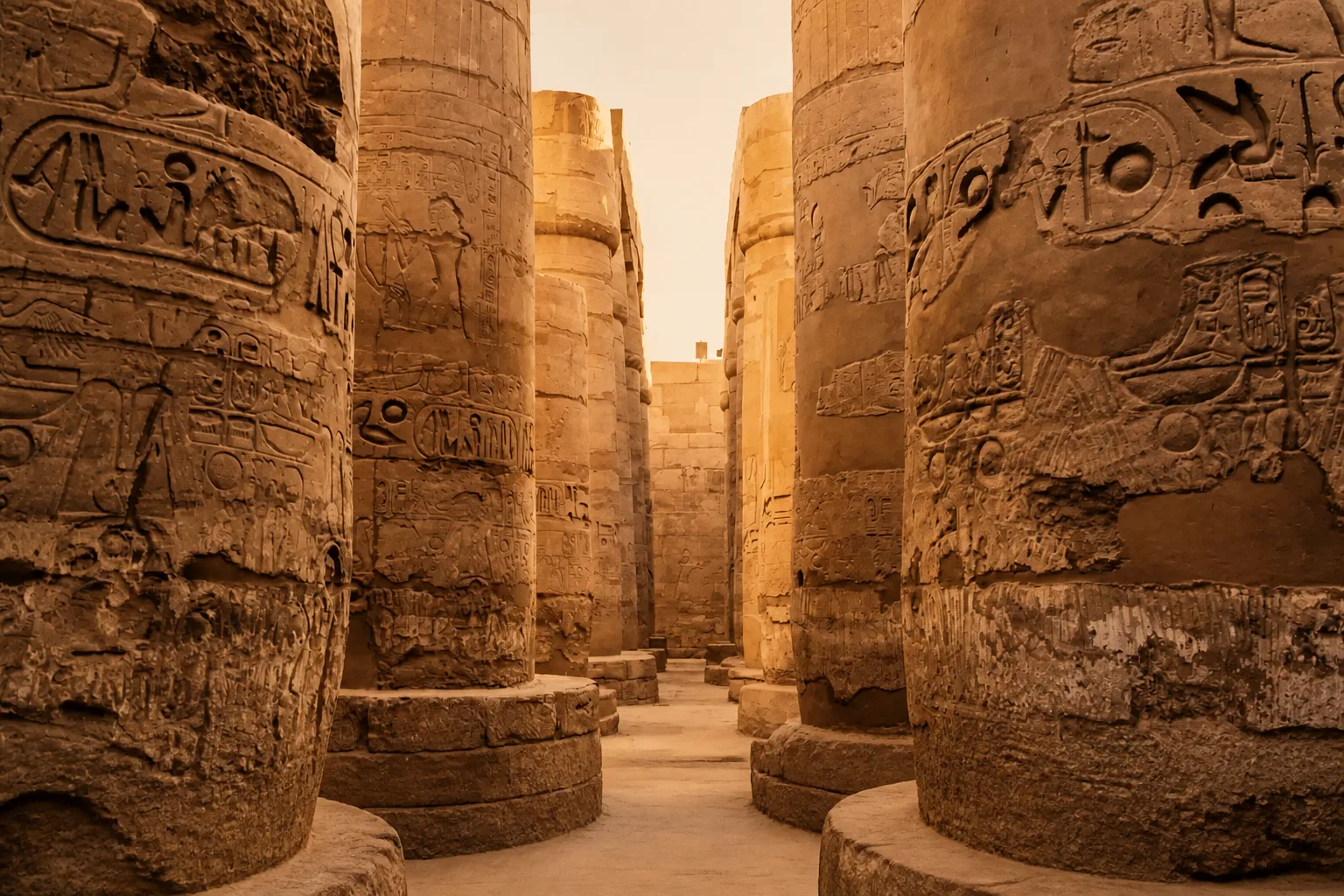
The Great Hypostyle Hall of columns at Karnak Temple 01

Karnak Temple

The largest religious building ever raised, expanded by thirty pharaohs over two millennia. The Great Hypostyle Hall packs 134 columns so vast that a dozen people can stand on a single capital. Go early, before the light goes flat and the coaches arrive.

Half day · go at opening
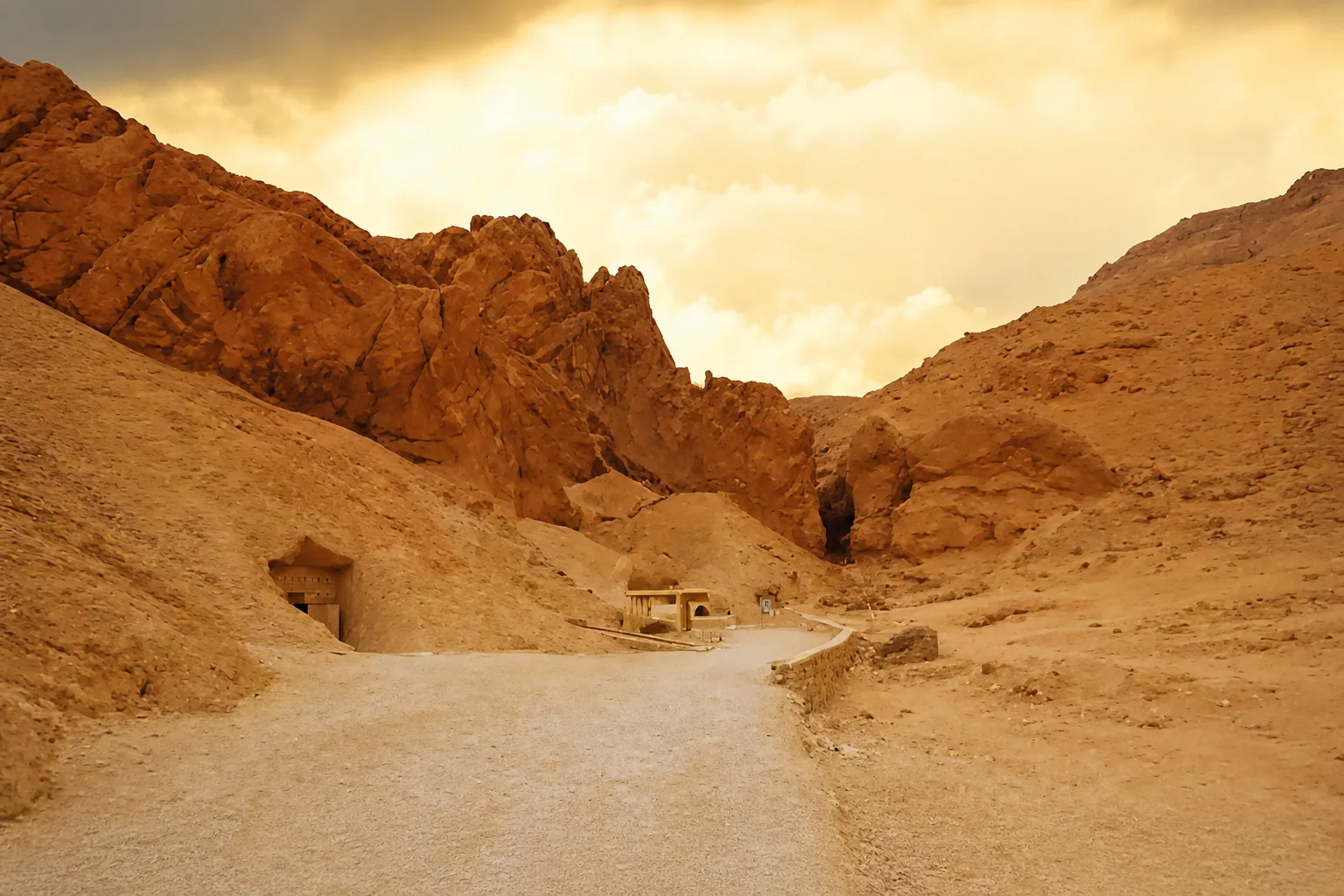
Painted corridor inside a royal tomb in the Valley of the Kings 02

The Valley of the Kings

Sixty-three tombs cut into the limestone of the West Bank, Tutankhamun's among them. The painted walls still carry their original colour — gods, star-ceilings and the king's journey through the underworld, rendered for an audience of one.

Tickets cover 3 tombs

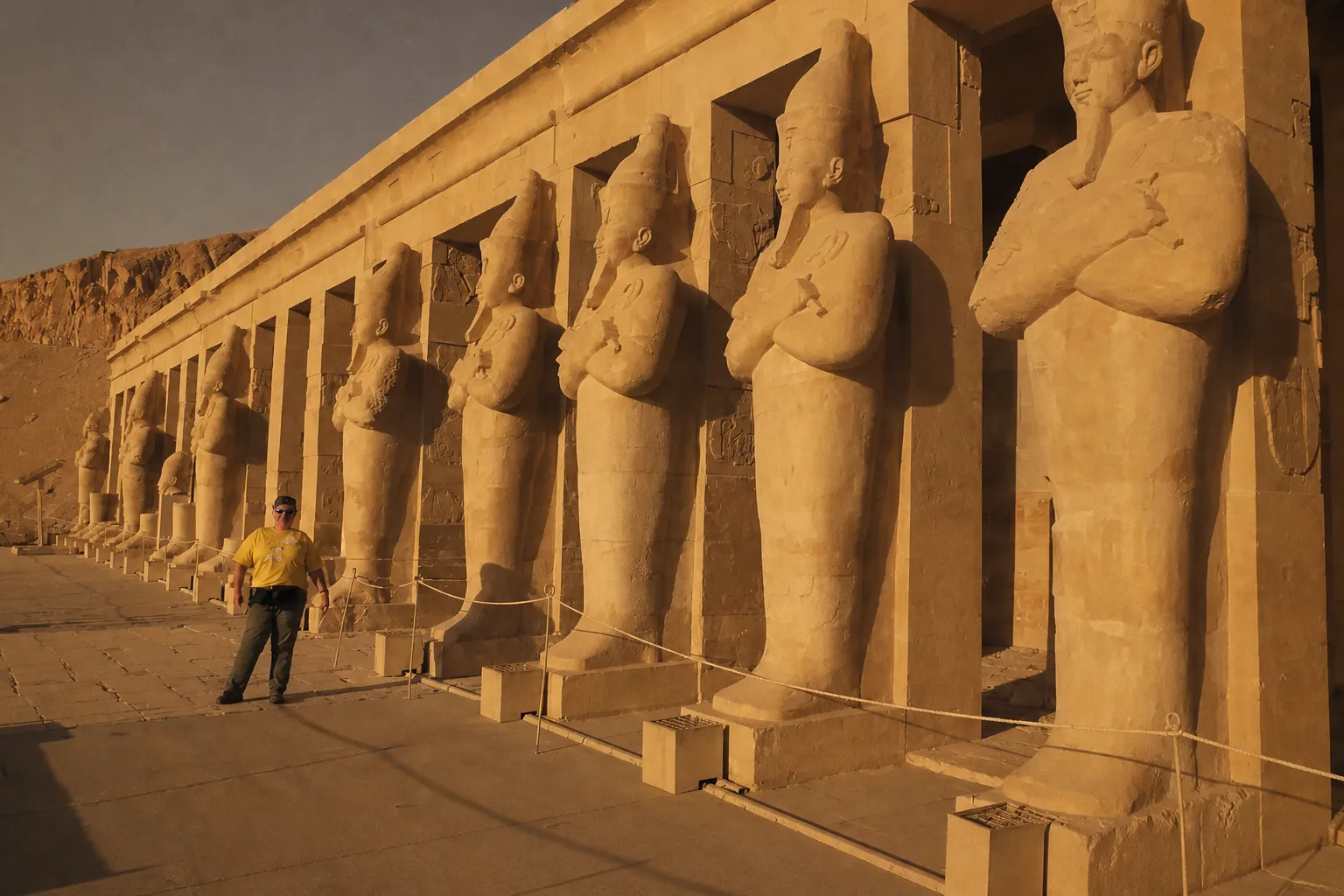
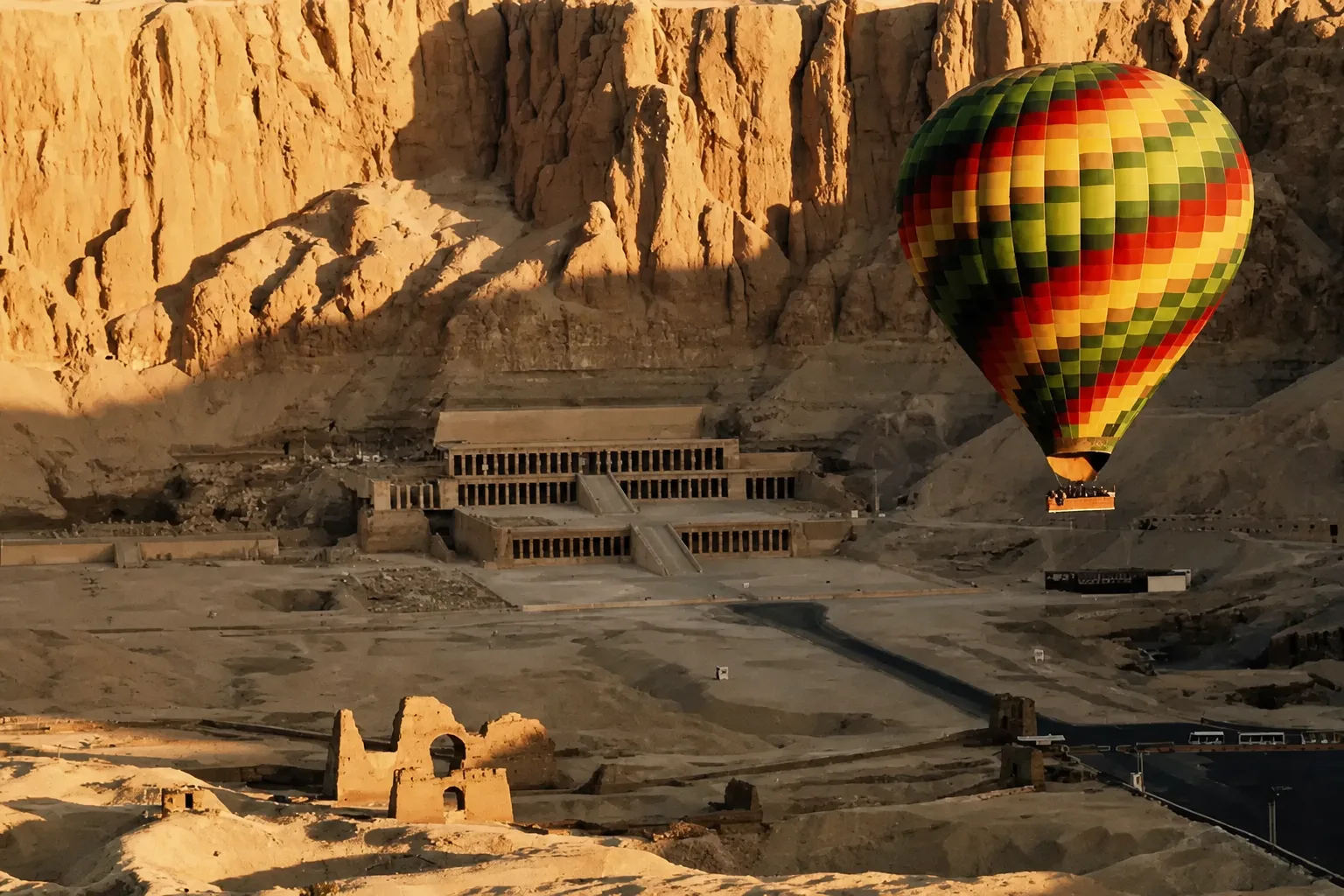
The colonnaded terraces of Hatshepsut's temple at Deir el-Bahari 03

The Temple of Hatshepsut

Egypt's most architecturally modern monument — three colonnaded terraces rising straight out of the cliff at Deir el-Bahari. Built for the woman who ruled as pharaoh, it looks more like the 20th century than the 15th century BC.

1–2 hours

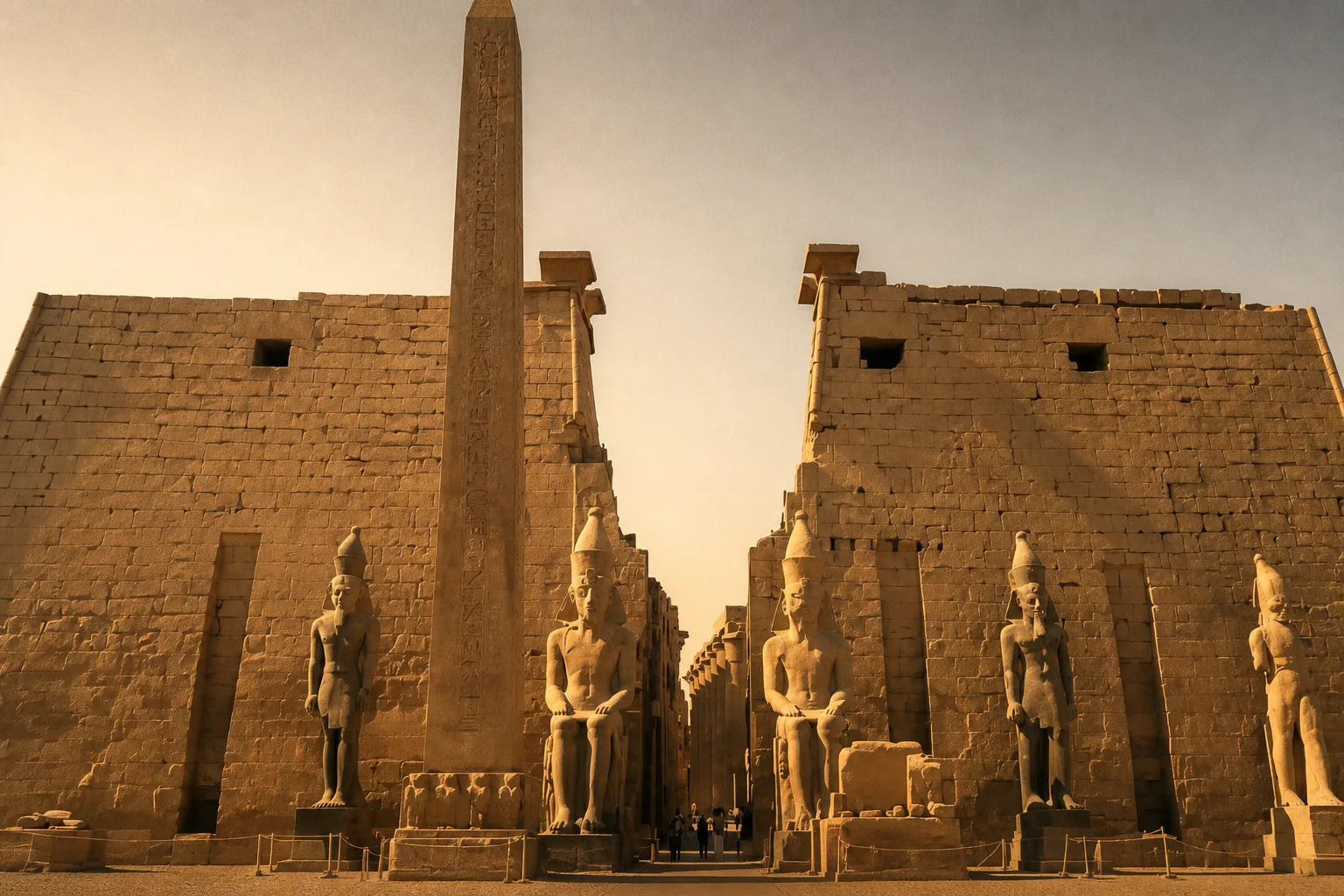
Luxor Temple floodlit at night beside the Nile 04

Luxor Temple

Right in the middle of town and best after dark, when the floodlights catch the colonnade and the avenue of sphinxes that once ran the full three kilometres to Karnak. An easy walk from most hotels for a cool evening hour.

Best at night

Time to allow

How many days in Luxor?

Luxor is denser than it looks. The honest sum on how long to give it.

1 day The flying visit

Karnak and the Valley of the Kings in a single hard day — common on a cruise turnaround, but both get short-changed.

2 days The core

East Bank one day (Karnak, Luxor Temple), West Bank the next (Valley of the Kings, Hatshepsut, the Colossi of Memnon). The right minimum.

3 days The proper visit

Add a dawn balloon over the West Bank, the workers' village at Deir el-Medina, and the quieter tombs of the nobles.

Cruise base Luxor to Aswan

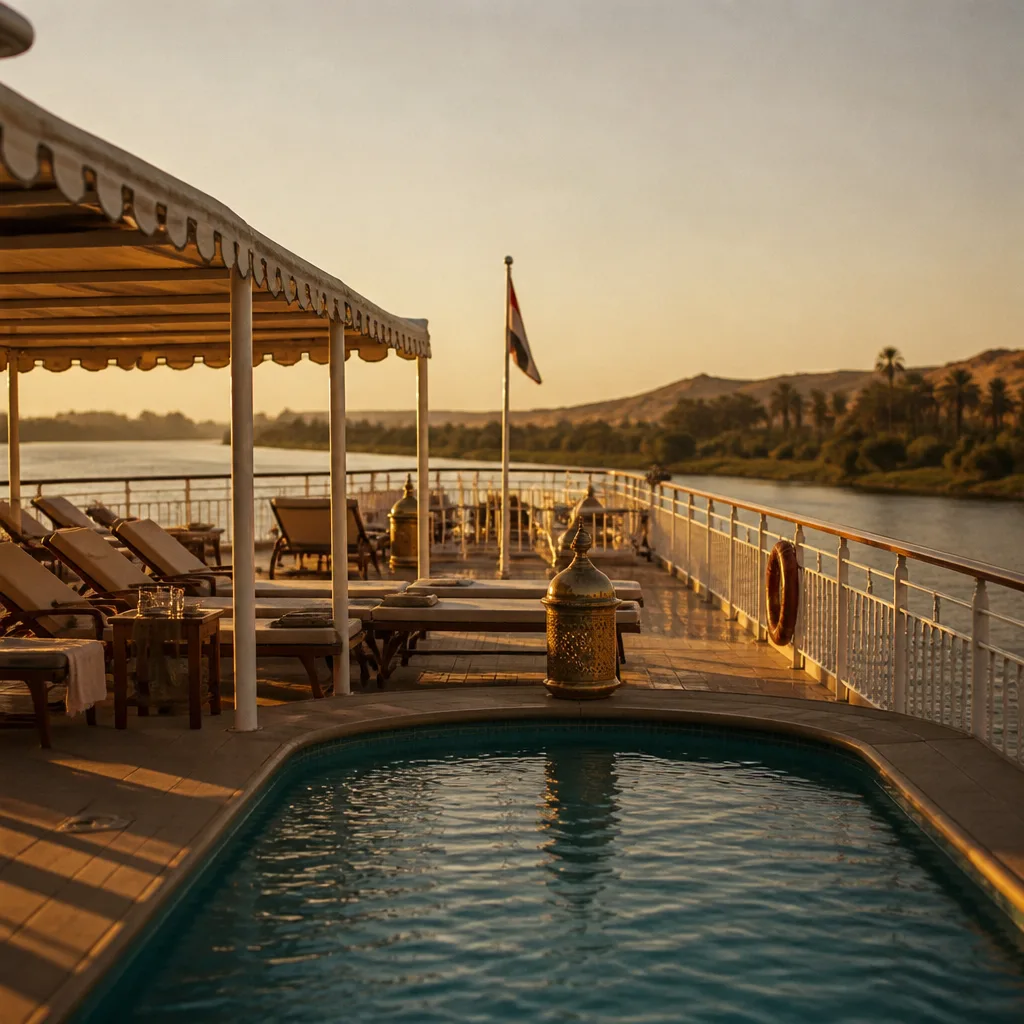
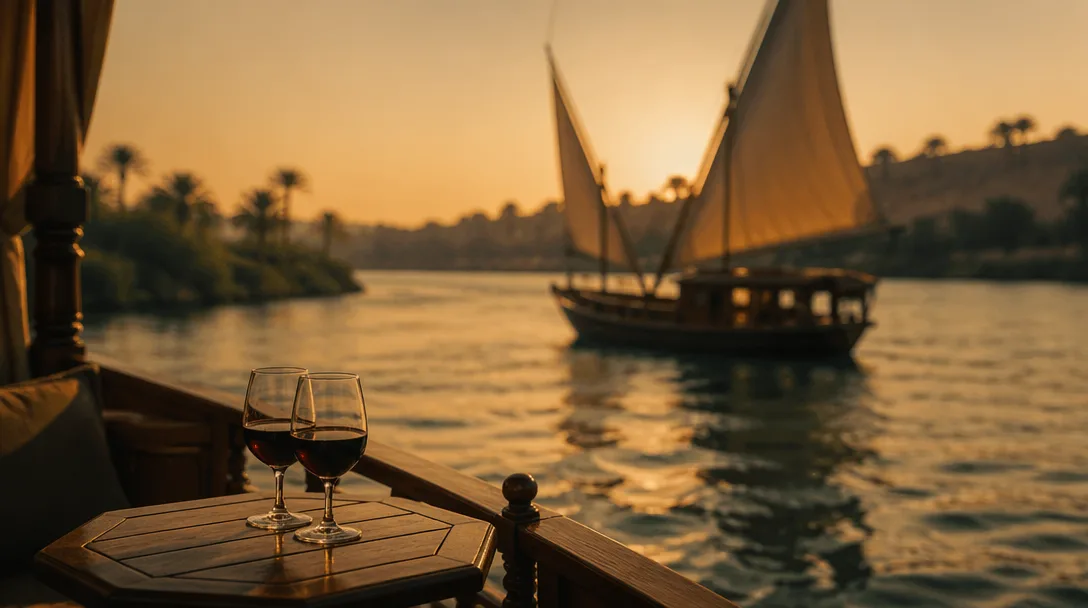
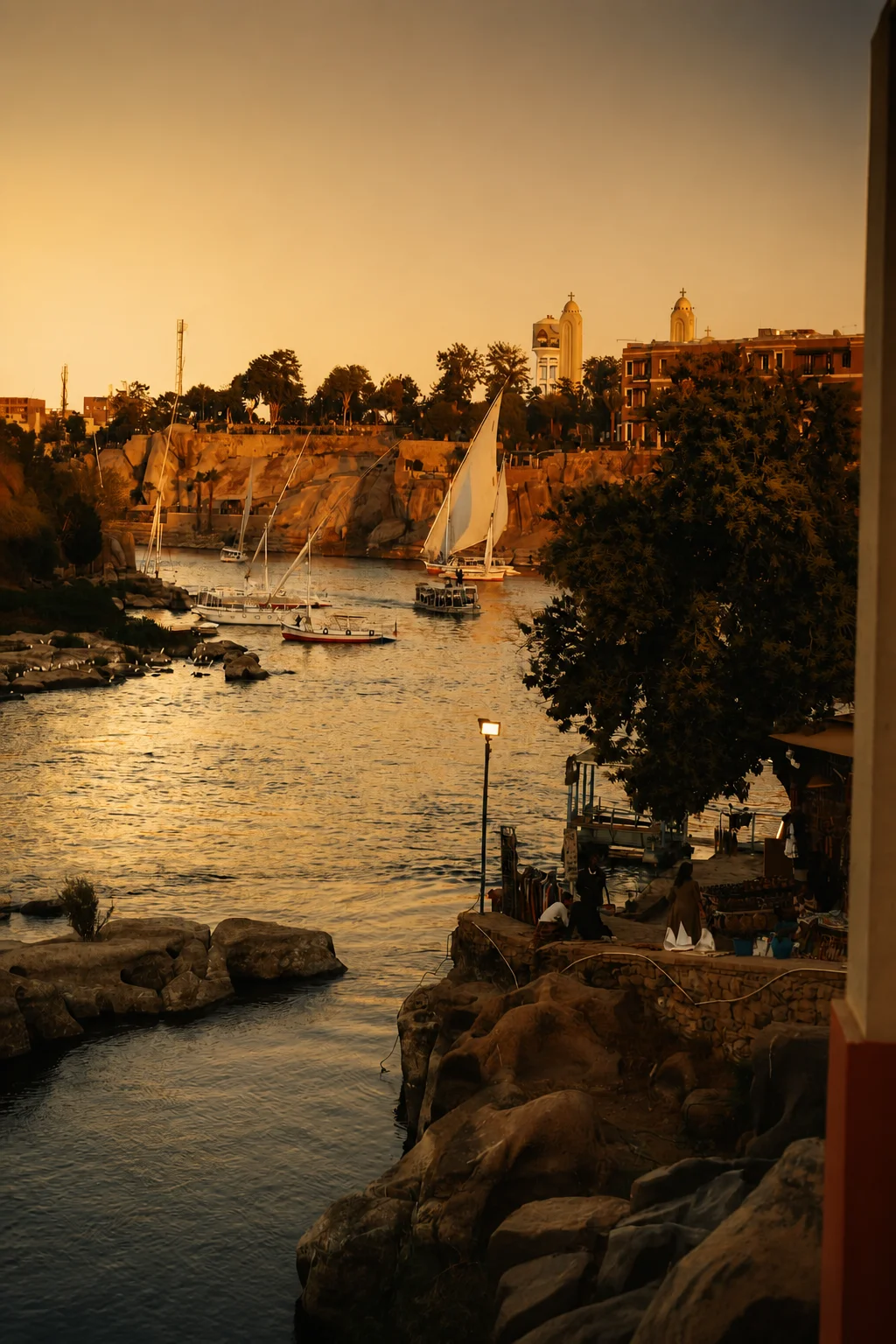
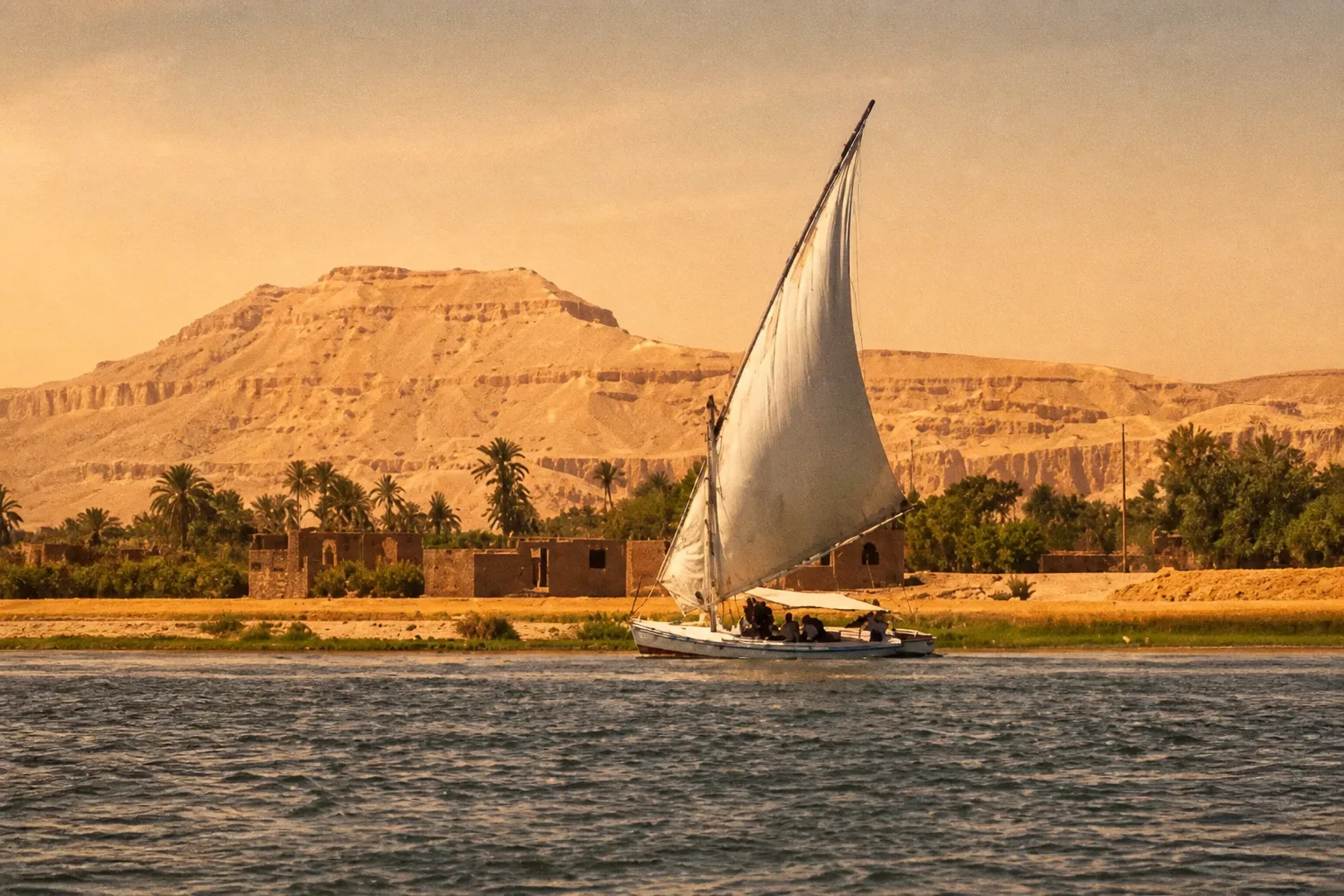
Start a 3–4 night Nile cruise here and let the boat carry you south past Edfu and Kom Ombo to Aswan.

Where it fits

Luxor in your itinerary

Luxor is the northern hinge of Upper Egypt — the start of the river journey and a short hop from Cairo.

South by river

Board a 3–4 night Nile cruise to Aswan, stopping at Edfu and Kom Ombo along the way.

North to Cairo

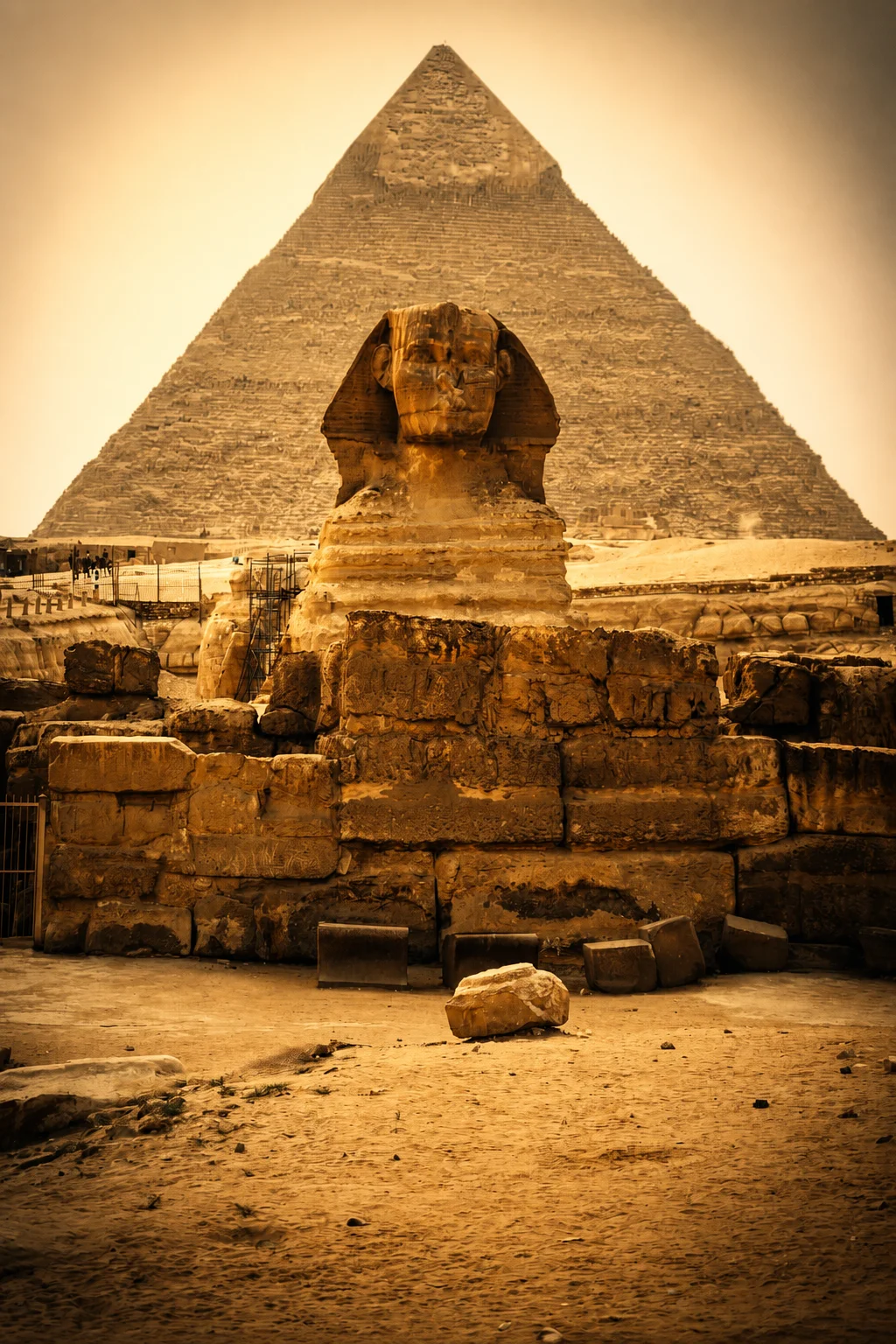
A 70-minute flight returns you to the Pyramids and the Grand Egyptian Museum.

Up at dawn

A sunrise hot-air balloon over the Valley of the Kings and the green floodplain — Luxor's signature morning.

On to the Red Sea

Hurghada is a 4-hour drive or short flight for a beach finish after the temples.

Best time to visit

When to go to Luxor

Luxor sits in the desert south, so the seasons bite harder than on the coast.

October–April · best

22–30°C and clear — ideal for long mornings among the temples, and proper winter sun when the UK is grey. It's peak season, so book the balloon and hotels ahead, especially December and February half-term.

May–September · very hot

40–45°C by midday. Sightseeing is a dawn-only affair, but prices fall sharply and the sites are nearly empty before 9am.

Sound & light

Karnak's evening show is a gentle way to see the complex lit up once the heat drops — worth an hour on a first night.

Balloon weather

Flights run almost year-round but cancel in high wind. Build a spare morning into the plan if the balloon is a must.

The practical part

Getting there & around

Small, walkable and split by the river — the practical part.

01

Getting in

Luxor has its own airport (LXR), about 20 minutes from the East Bank, with several daily flights from Cairo and seasonal international charters.

02

Crossing the river

The West Bank tombs are a short drive over the bridge or a few minutes by local ferry. We run the West Bank as a guided half-day by private car.

03

Getting around

The East Bank sites are walkable or a quick caleche ride; the West Bank needs a car. A private Egyptologist turns the tombs from pretty to legible.

04

Tickets

Valley of the Kings entry covers three tombs; Tutankhamun, Seti I and Nefertari carry separate tickets. We pre-arrange the ones worth the upgrade.

Common questions

Luxor, answered

01 How many days should I spend in Luxor? +

Two full days is the comfortable minimum — one for the East Bank (Karnak and Luxor Temple) and one for the West Bank (the Valley of the Kings, Hatshepsut and the Colossi of Memnon). A third day adds the dawn balloon and the quieter tombs.

02 What's the difference between Karnak and Luxor Temple? +

Karnak is the vast temple complex on the edge of town, built over two thousand years; Luxor Temple is the smaller, elegant one in the centre, best seen floodlit at night. An avenue of sphinxes once connected the two.

03 Is the Valley of the Kings worth it? +

Yes. Your ticket covers three tombs, and the painted walls are extraordinary — gods, hieroglyphs and star-ceilings still in their original colour. Tutankhamun's tomb and the long, deep tomb of Seti I are worth the separate tickets.

04 How do I get from Luxor to Aswan? +

By Nile cruise — a 3–4 night sailing south past Edfu and Kom Ombo is the classic way and the most scenic. There's also a 3-hour drive or a short domestic flight if you're not cruising.

05 Is the hot-air balloon in Luxor safe? +

Operators are licensed and fly at dawn in calm conditions, cancelling in high wind. It's one of the most popular things to do in Luxor — at sunrise the temples and the green floodplain spread out below you and the Nile catches the first light.

06 Which side of the river should I stay on? +

The East Bank has most hotels, restaurants and the two big temples within walking distance — the easy choice for a first visit. The West Bank is quieter and closer to the tombs, better for a second stay or a slower pace.

Plan your trip

Build your Luxor trip with our Egyptologists

Tell us your dates and what you want out of Luxor – we'll send a private, tailored itinerary within 24 hours. Cairo · Luxor · Aswan · Hurghada · Marsa Alam · Sharm El Sheikh, on the ground since 1988.

Plan my Luxor trip